
Summit replaced two internal kits with one
Summit's web and admin apps had drifted into two component sets. They moved both onto Paubha over one quarter, one screen at a time.
Read the storyHow six teams moved off rented kits and onto code they control.
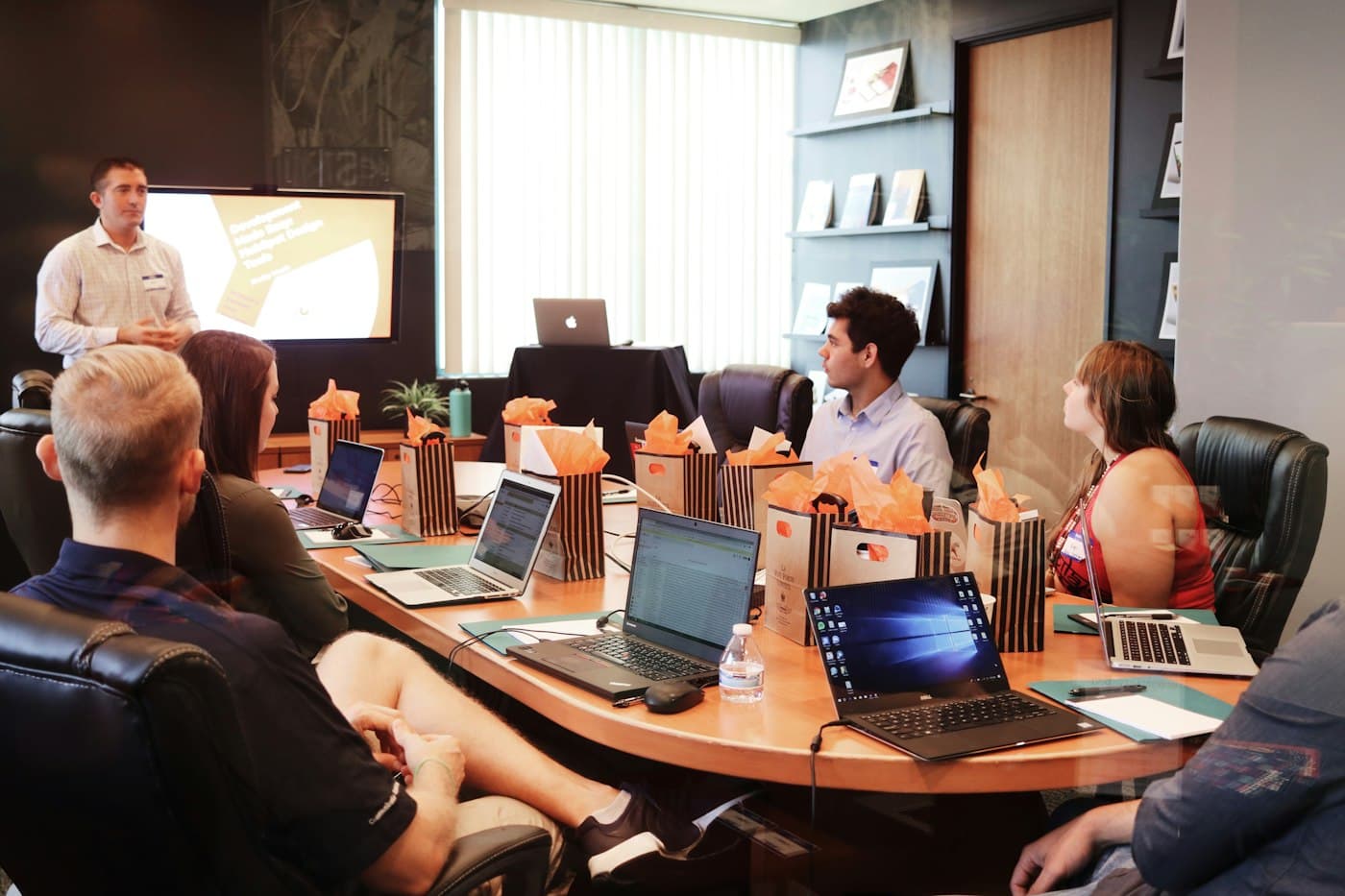
Summit's web and admin apps had drifted into two component sets. They moved both onto Paubha over one quarter, one screen at a time.
Read the story
Design edits a token in Figma, engineering pulls it into the repo, and all three products pick it up.
Read the story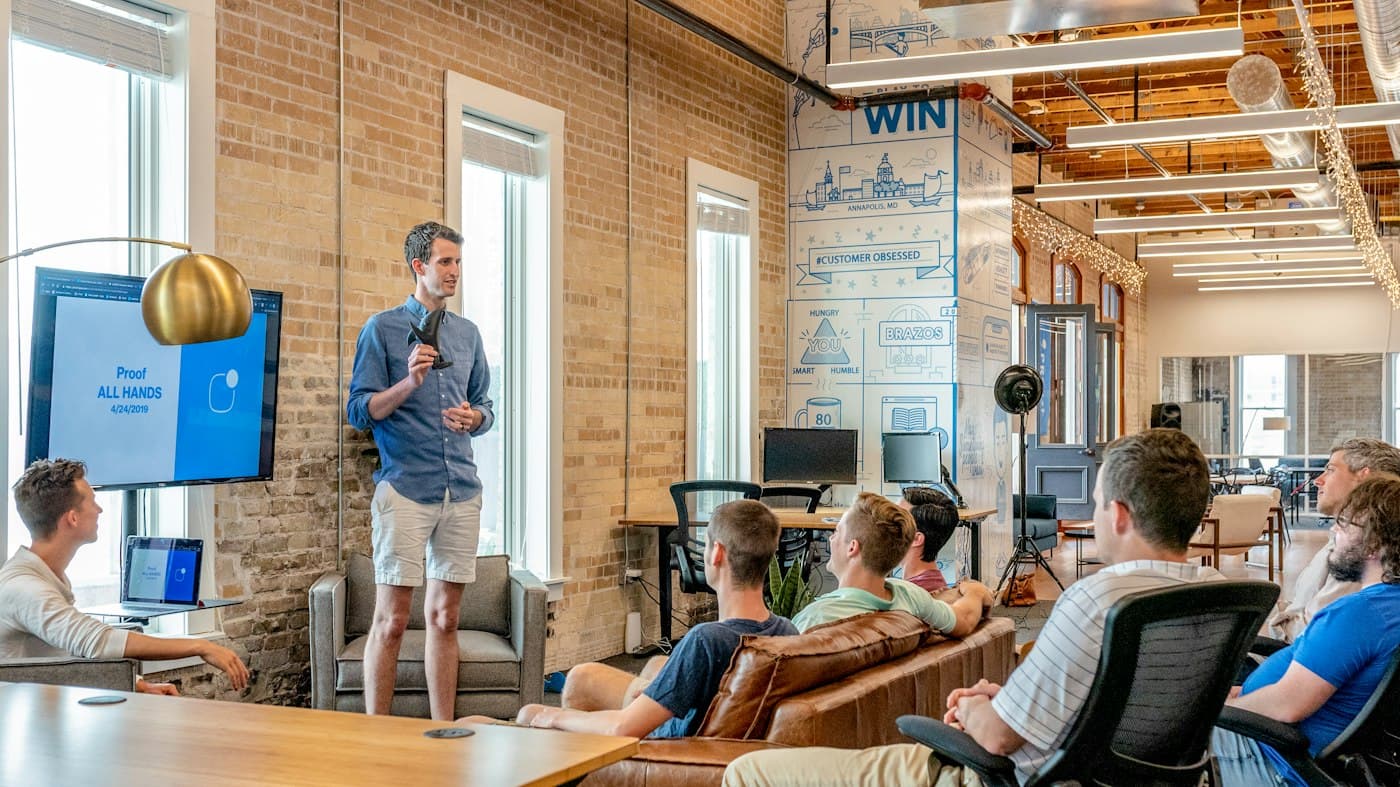
“We showed the diff at all-hands. Nobody asked what library it was, they asked when their screen was next.”
Walter Brandt
VP Engineering, Summit
“The day we pasted Button, the app stopped looking rented. The focus ring alone made it feel like ours.”

Maren Holloway
Design Lead, Northwind
“Copy-paste means we review the actual file in a pull request. That changed our culture.”

Dario Quintela
Staff Engineer, Parcel
“Marketing and the app finally share one nav and one focus ring.”

Leila Marchetti
Product Manager, Kite
No benchmarks, just the things teams told us got easier.
Design and code agree again
One token file feeds Figma and the app, so handoff is a pull request instead of a meeting.
Reviews happen on real files
Components live in the repo, so changes show up in a diff and get reviewed like any other code.
Dark mode is a token swap
Teams remapped a handful of semantic tokens and every component followed.
No upgrade fire drills
Nothing updates until you copy it in, so a release never breaks a Friday deploy.
“We had Button and Dialog in production by the end of the first week.”

Tomás Aguilar
Engineering Manager, Orbit